Apple Valley City Council candidate questionnaire
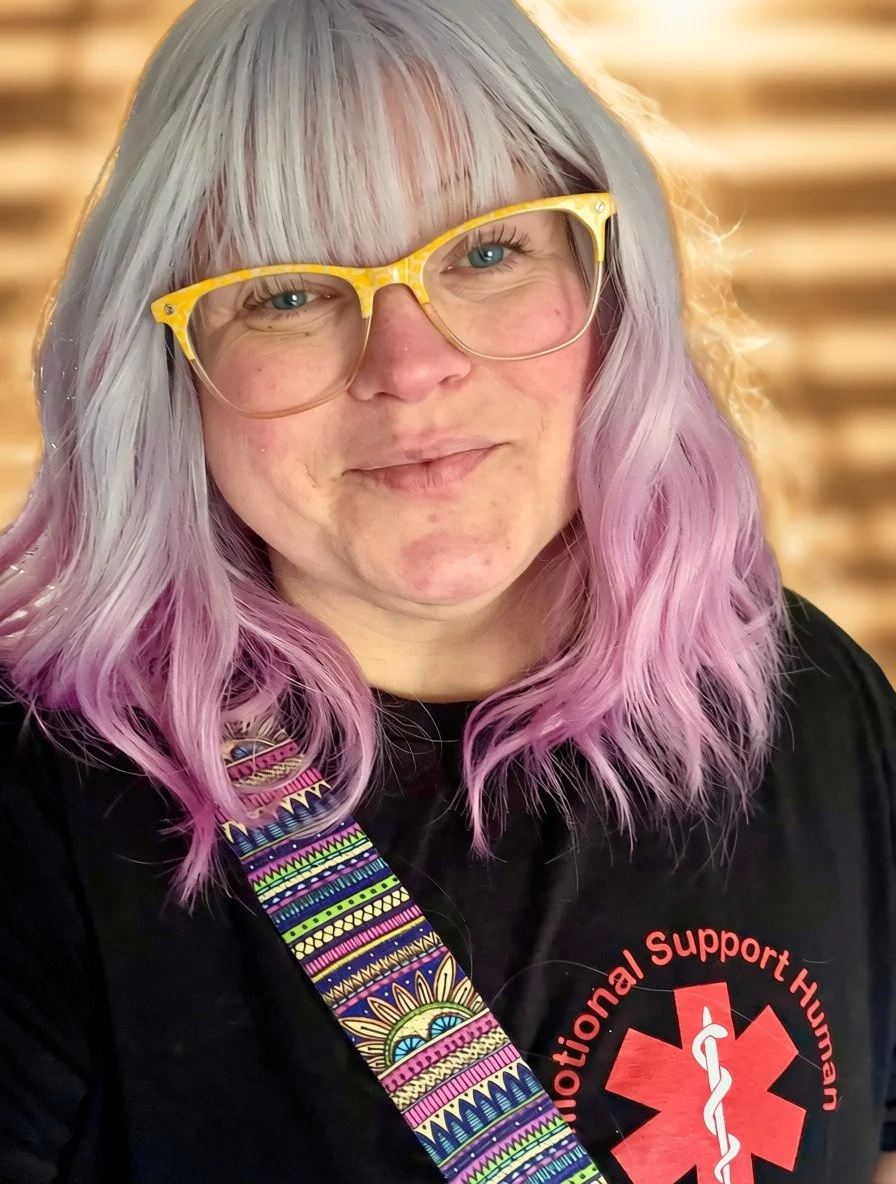
Jennifer “Jen” Fracisco
Age: 44
Occupation: Self-employed/small business owner
Education: B.S. in psychology, Western Governors University (in progress); professional training in IT, accessibility, and inclusion.
Previous elected, appointed or volunteer positions: I’ve served as a City Council-appointed head election judge and volunteered on municipal projects, in hospitals and the NICU, at senior centers, and with Army families through the SFRG. I’ve coordinated neighborhood events, participated in humanitarian work in Guatemala, and served as a peer minister.
My advocacy includes organizing community observer networks, collaborating with state legislators, connecting residents with legal and mutual aid resources, and establishing partnerships between nonprofits and healthcare providers. I’ve also worked with Latino, Somali, and Asian community groups to improve accessibility, build relationships, and encourage collaboration across communities.
1) If elected, what is your No. 1 priority?
My first priority is making local government more accessible and approachable for every resident. People shouldn’t need to understand government jargon, know the right department, or attend a meeting in person to have their voices heard. I want to improve how we welcome residents, explain decisions, invite feedback, and create opportunities for meaningful participation. That starts with listening, asking questions, and examining whether existing processes still serve the people who use them. I believe government works best when residents feel empowered to participate, ask why, and help shape the community they call home.
2) What experience uniquely qualifies you to serve on the City Council?
My experience spans over 20 years in healthcare-related services, including optical care and health insurance, along with IT support, technical writing, and community advocacy. Across these roles, I’ve helped people navigate complicated systems, understand unfamiliar information, and find solutions when the usual process wasn’t working. As an autistic person with ADHD, I bring a perspective that challenges assumptions and recognizes barriers others might overlook. I’m tenacious, curious, and willing to question how things have always been done. I don’t claim to have every answer, but I know how to listen, research, collaborate, and keep working toward one.
3) In what area or areas could the city be doing better? What should the city do to improve in this area or areas?
I believe Apple Valley could improve how residents access information, navigate city services, and participate in local decisions. Information may be publicly available without being easy to find or understand. Residents shouldn’t have to know government terminology or which department handles an issue just to get help.
I’d like to see clearer signage, plain-language explanations of ordinances and decisions, and a more welcoming, service-oriented approach to resident interactions. I’d also explore expanding virtual participation in council meetings, including moderated opportunities to submit questions and receive follow-up.
Most importantly, I want residents to know their questions, concerns, and ideas are welcome. When someone encounters a barrier, our response should be to understand it and look for solutions, not simply explain why the existing process works the way it does.
4) Is public safety a concern in the city? Why or why not? If it is, how should it be addressed? If not, what is working well? What programs, if any, would you like to add or expand?
Public safety should always be a priority, even in communities where residents generally feel safe. Safety means more than responding to crime; it includes prevention, emergency preparedness, privacy, and trust between residents and those serving them.
I’d like to evaluate existing programs, listen to residents about their concerns, and identify gaps in services or communication. That includes reviewing the use of surveillance technologies, such as automated license plate readers, to ensure appropriate oversight, transparency, and privacy protections. I also believe we should seriously examine whether the benefits of these technologies justify the privacy risks, including concerns about disproportionate surveillance of particular communities.
I’d also like clearer communication and safety expectations for utility workers entering residential properties, particularly when pets or children may be present.
Effective public safety requires collaboration, accountability, and a willingness to change policies when they no longer serve our community.
5) Many homeowners are concerned about rising property taxes. How do you ensure that residents receive a fair value of city services for the amount of taxes paid? What changes would you suggest to keep tax increases in check?
Residents deserve to understand where their tax dollars go and whether they’re receiving fair value. Fiscal responsibility requires transparency, thoughtful planning, and accountability for public spending.
I’d advocate for construction contracts that establish clear performance standards, corrective-action requirements, and options to replace contractors when repeated failures warrant it. These protections should be considered before contracts are signed, not after residents experience significant delays, property damage, or disruptions.
City projects must also account for accessibility. Residents with disabilities should have a clear, consistent process for requesting accommodations when construction affects access to their homes.
Affordability should guide budget decisions, especially for seniors, families, and residents on fixed incomes. I’d support reviewing expenditures, evaluating contractor performance before awarding additional work, and explaining proposed tax increases in plain language.
Responsible budgeting means protecting essential services while reducing preventable costs and ensuring residents aren’t left carrying the burden of poor planning or inadequate oversight.
6) The city is updating ordinances with regard to new data center development. What area or areas do you think the new ordinances should address? Would it contain any new regulations? If so, what would you propose?
I’m concerned about the environmental and infrastructure costs of large data centers, including electricity and water demands, noise, pollution, and construction traffic. We must also consider whether dedicating valuable commercial or industrial land to these facilities limits opportunities for smaller, locally owned businesses.
I would be cautious about approving new data centers without a thorough assessment of their long-term impacts and demonstrated benefits to Apple Valley. If permitted, they should be limited to appropriate industrial areas, away from residential neighborhoods, with strict requirements for environmental protection, infrastructure capacity, traffic management, noise, and water usage.
Developers should be responsible for infrastructure improvements directly attributable to their projects, rather than shifting those costs onto taxpayers.
If a proposal threatens residents’ quality of life and cannot demonstrate sufficient community benefits to justify its impacts, I would not support its approval. Economic development should strengthen our community, not come at its expense.